


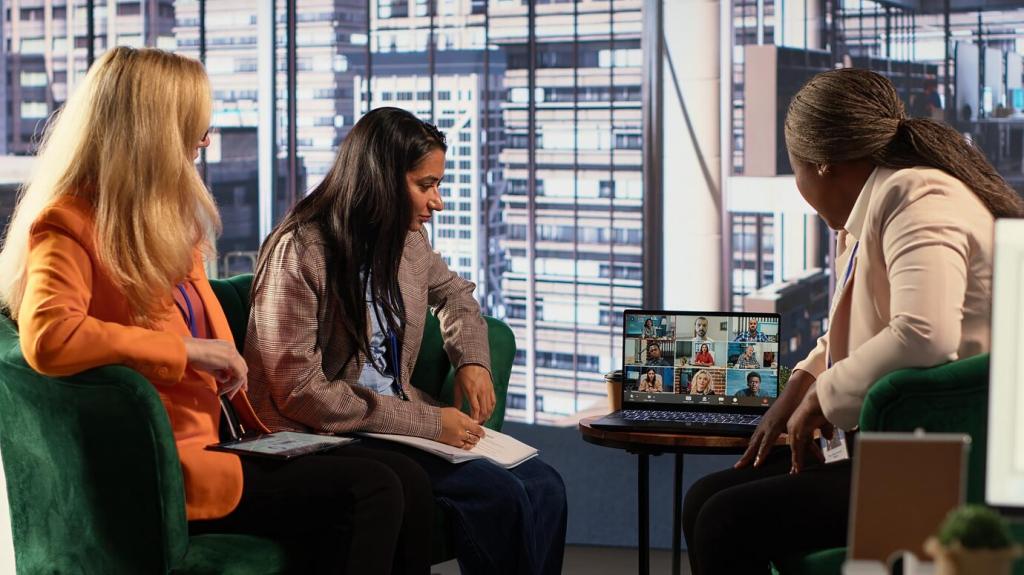

Chosen Theme: Conflict Resolution Techniques — Build Bridges, Not Walls

Foundations of Conflict Resolution Techniques

True listening means reflecting what you heard, checking for accuracy, and noticing what is not said. In one workshop, a manager diffused months of tension by summarizing a designer’s needs before offering solutions. Try it today, and share what changed in your next conversation.
Repeat key phrases to show you heard, then name the emotion: “It sounds like you’re frustrated by shifting priorities.” This combination reduces defensiveness. A product team used labeling to calm a launch crisis, enabling a rapid, cooperative plan. Comment if labeling softened a standoff for you.

Communication Tools That De-escalate

Set Ground Rules Before You Begin

Agree on confidentiality, respectful language, and time limits. In a sprint retrospective, simple rules like ‘one mic at a time’ and ‘assume positive intent’ helped competing leads hear each other fully. Post your go-to ground rules so readers can borrow them for their next mediation.

Use Structured Turn-Taking to Reduce Interruptions

Facilitators can rotate turns, use a virtual hand-raise, or time contributions equally. During a merger, this approach ensured quieter voices shaped the final plan. Fair process increases acceptance, even among dissenters. Comment with tools you use to keep conversations balanced and productive.

Write Clear Agreements with Accountability

Summarize decisions and assign owners, timelines, and check-ins. SMART commitments prevent backsliding and ambiguity. A marketing duo ended recurring friction by documenting who approves what and when. Subscribe for our agreement checklist tailored to Conflict Resolution Techniques you can print and bring to meetings.

Cross-Cultural Conflict Resolution Techniques

High-context cultures rely on subtle cues; low-context cultures value explicit words. A developer from Japan and a manager from Germany avoided conflict by clarifying expectations about indirect feedback. Naming the difference saved time. Add your experience to help others navigate cultural nuance respectfully.

Cross-Cultural Conflict Resolution Techniques

Public criticism can escalate conflicts where face is central. Offer private feedback, use tentative language, and invite input before decisions. One sales leader regained trust by praising publicly and correcting privately. Tell us how you protect dignity while addressing tough issues in your team.

Cross-Cultural Conflict Resolution Techniques

Some cultures emphasize responsibility; others emphasize empathy or repair. Combine them: acknowledge impact, accept responsibility, and propose remedies. After a misfired email, a multilingual apology plus a fix restored rapport. Subscribe for a quick guide to apologies aligned with Conflict Resolution Techniques globally.

Negotiation Frameworks That Prevent Stalemates

01
BATNA is your best alternative if talks fail; ZOPA is the overlap where agreement is possible. A freelancer stabilized pricing debates by defining both before calls. Share how identifying your BATNA changed your confidence and outcomes during a high-stakes negotiation.
02
Focus on objective criteria and mutual gains. When a vendor dispute flared, both sides benchmarked industry standards, reducing personal attacks. Results improved and relationships held. Comment with the objective standards you use to avoid emotionally charged tug-of-war in your negotiations.
03
Transform “You must cut scope” into “How might we meet the deadline without sacrificing quality?” Reframing creates shared ownership. In one nonprofit, reframing unlocked volunteer-led solutions. Subscribe for weekly reframing prompts to strengthen your Conflict Resolution Techniques muscle.

Resolving Conflict in Remote and Digital Work

Escalating threads often need a quick call. Complex topics deserve a document; sensitive topics require privacy. One team cut misfires by adopting a channel decision tree. Comment with your rules of thumb and help others pick the best medium in tense moments.

Restorative Circles and Story Sharing

Gather stakeholders to tell the story of harm and impact, then co-create repair steps. In a school project, a circle replaced blame with understanding, restoring collaboration. Try a mini-circle at work and comment on what surprised you about the process and outcomes.

Making Amends That Match the Harm

A sincere apology needs action: offer restitution, change a process, or allocate time to rebuild. A support lead repaired customer trust by improving response protocols. Share examples of amends that felt meaningful and aligned with strong Conflict Resolution Techniques.

Sustaining Trust with Feedback Loops

Schedule follow-ups to review agreements and celebrate progress. A quarterly check-in prevented old patterns from returning in a cross-functional team. Consistent loops signal commitment. Subscribe to receive our feedback cadence planner designed to keep repairs durable and relationships resilient.
Creativeagencynj
Privacy Overview

This website uses cookies so that we can provide you with the best user experience possible. Cookie information is stored in your browser and performs functions such as recognising you when you return to our website and helping our team to understand which sections of the website you find most interesting and useful.